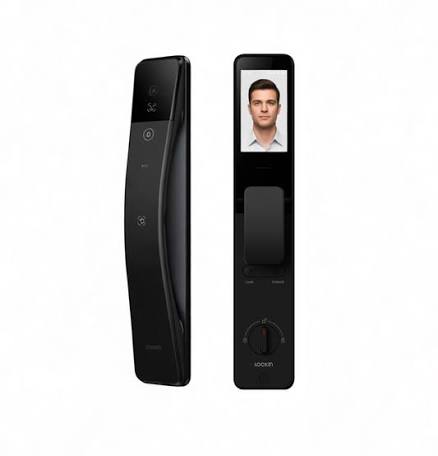
Not all CCTVs are created equal. An ordinary motion-detection camera can sense anytime when a thing is moving in its region. Facial recognition cameras can do so much more than simply look at someone’s face and compare it to a stored image if one exists, and say whether it’s an exact hit, could you imagine industry power in the size of billions or even trillions.
The differences can help businesses select security equipment that will complement the site, privacy, and monitoring goal of the organisation.
How Standard Motion-Detection CCTV Works
CCTV on motion detection is designed to recognise movement. When something such as a person or vehicle enters the detection zone, it can automatically start recording or trigger an alarm.
Others detect motion through pixel adjustments in the camera. Others go with higher-end sensors or video analytic capabilities.
The system may be useful for:
- Monitoring entrances and exits
- Detecting movement after business hours
- Monitoring of parking and loading areas
- Recording activity around restricted areas
But if detection is performed on a standard, it usually does not define who the person is. It simply responds to movement.
How a Facial Recognition Camera Works?
Face recognition camera uses computer program to research the facial functions captured through the digicam. It could either compare a detected face to an authorised database or watchlist depending on the system.
This forms a new kind of security function. Only if, “Is something moving?” the system could possibly aid in answering, who is this person?
The performance of facial recognition can vary significantly depending on lighting, camera angles, image quality, viewing angle, and other factors.
Detection vs Identification: The Key Difference
Motion detection focuses on activity. Face recognition is concerned with matching of identities.
For example, if it is a moving camera, it may sound the alarm in warehouse after hours when someone enters. Depending on how it is configured, a facial recognition system could then attempt to identify who that person is in correlation with a pre-approved list.
These systems can also be utilised in tandem with one another, rather than being seen as competing alternatives.
Potential Applications for Facial Recognition
In cases where proper identification is one of the security challenges, facial recognition may be considered for some sites.
Potential applications include:
- Controlled commercial entrances
- Staff-only areas
- High-security facilities
- Large premises with controlled access
But before deploying facial recognition, businesses must navigate difficult concerns over privacy, consent, and data handling along with the myriad of Australian laws that impact such use.
Choosing the Right CCTV Setup
The right system, is based on the security problem in front of you.
For example, perhaps a small business only requires reliable motion detection and recording. The larger your site the better having advanced analytics may benefit you.
A security specialist can evaluate the optimum placement of cameras, lighting needs, coverage zones, and recording demands throughout the commercial CCTV installation in Melbourne.
Whether the system should interact with access control, alarms or other security gear is also an important consideration.
Make Privacy an Integral Part of the Plan
Facial recognition is not just a camera in, it is far more than that. Businesses need to know what data is gathered, how it is stored, and who has access.
Clear policies can help staff and visitors to understand how the technology is being deployed.
Businesses must discuss their privacy and data management requirements with their security provider before they install a face recognition camera.
Which One Should You Choose?
CCTV with motion detection is different from facial recognition.
Motion detection is all about detecting activity. Given an appropriate level of maturity within the technology, configuration, and legal frameworks, Facial recognition can provide identity-based analysis.
For most businesses, the optimal configuration may actually be a mix of conventional CCTV with selected high-tech features. Having a professional commercial CCTV installation in Melbourne will allow to develop a system custom designed according to the actual security requirements of the property rather than opting for the latest device available.