Plants as Architecture
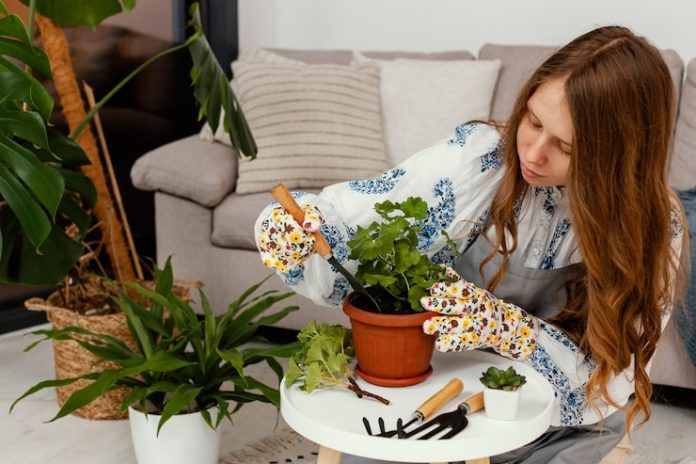
The conventional relationship with houseplants is botanical: you acquire a plant you like, you find a suitable place for it in terms of light requirements, and the result is determined by where it fits rather than where it contributes to the room. The design relationship with plants is architectural: plants are placed where they serve a compositional purpose — filling a corner that furniture can’t fill, providing a vertical element that a table arrangement needs, creating a screening element between two zones.
This design perspective doesn’t require ignoring the plant’s needs — it requires making placement decisions that serve both the plant’s requirements and the room’s compositional needs simultaneously, which is often achievable when you know what you’re looking for.
Scale: Matching Plant Size to Room Scale
A 6-inch potted plant on the floor of a 12-foot-ceiling room is invisible — it’s the wrong scale for the space it occupies. The same plant on a bookshelf at eye level is appropriately scaled for that position. Scale matching in plant placement: floor-level plants should be large enough to register from standing height (fiddle-leaf figs, bird of paradise, large rubber tree, or dense groupings of smaller plants in a large decorative vessel), while tabletop plants should be small enough to complement rather than dominate the surface they’re on.
The large floor plant is the plant that has the most impact in residential interior design — a single mature plant in a 14-inch decorative pot can anchor a corner the way a piece of sculpture does, fill a visual gap between two pieces of furniture, or soften a large wall section in a way that art doesn’t. This plant is worth investing in: a large, healthy specimen from a quality nursery in the $80–$200 range is more impactful than a dozen smaller plants combined.
Groupings: When Multiple Plants Become More Than the Sum of Their Parts
A single small plant on a windowsill is a plant. Five plants at varying heights in a dedicated plant area create a plant composition that reads as a designed element. Grouping multiple plants together — varying their height through plant stand height, pot size, and plant size — creates a visual density and botanical complexity that individual plants can’t achieve.
The grouping rule for plants: vary the height of every plant in the group (no two plants at exactly the same height), vary the texture and leaf character (large-leaf tropicals with fine-texture grasses or trailing plants), and use odd numbers (three or five plants in a composition read as more natural than two or four). The grouping approach is the easiest way to create a significant plant presence in a room using several smaller plants rather than investing in one large one.
Pots and Vessels as Design Elements
The pot or vessel that contains a plant is visible as much as the plant itself — and in many cases more visible, particularly for smaller plants where the pot’s visual mass approaches or exceeds the plant’s. A beautiful plant in an inappropriate pot looks less considered than a modest plant in a beautiful pot. The pot design deserves the same attention as the plant selection.
The pot’s relationship to the room’s material palette: a terracotta pot in a warm-toned room, a matte white or ceramic pot in a Scandinavian-influenced room, a woven basket planter in a natural-material room. The pot is the plant’s presentation — it contextualizes the plant within the room’s design vocabulary rather than making it look like it was brought in from the garden center still in its nursery container.
Plants as Dividers and Screenings
Large plants — particularly those with dense, opaque foliage — serve a spatial function that extends beyond decoration: they create visual screening that can divide an open space, soften the view between two areas without building walls, and create the impression of zones in an open-plan space without any structural modification.
A row of tall Kentia palms or bamboo palms placed between a home office area and a living area creates the visual separation of a wall without its permanence or solidity. An oversized fiddle-leaf fig at the end of a sofa creates a backdrop that makes the seating arrangement feel more defined. These spatial uses of plants serve the room’s composition and the occupants’ sense of organized space while providing all the biophilic benefits of living material.